

Before Marley Was Dekker
Long before reggae found its global prophet in Bob Marley, a sharply dressed, soft-spoken singer from Kingston cracked open the world’s ears. Desmond Dekker did not arrive with manifesto or mystique. He arrived with a song. When Israelites exploded onto international charts in 1968, it carried with it the first clear signal that Jamaican popular music could travel far beyond the Caribbean and compete on the global stage.
Dekker’s emergence was sudden but not accidental. Jamaica in the 1960s was a crucible of sound, moving rapidly from ska to rocksteady and then into what would become reggae. These shifts were not just musical but social, reflecting the tensions and aspirations of a newly independent nation. Working-class narratives, spiritual undertones and streetwise poetry shaped the music. Dekker, with his nasal tone and unpolished phrasing, sounded like the people the songs were about.
Israelites was the turning point. Sung in patois at a time when global pop favored polished English diction, it told a story of hardship, resilience and survival. That it topped charts in the United Kingdom and penetrated European markets signaled something radical. Audiences did not need to fully understand the language to feel its urgency. Jamaican rhythm, once considered peripheral, had entered the bloodstream of global pop culture.
Dekker’s success laid the groundwork for artists like Jimmy Cliff and later Marley to expand reggae’s reach. Yet his contribution is often treated as a prelude rather than a defining chapter. That is a misreading of history. Without Dekker, the industry may not have taken reggae seriously as an export. He proved that the music could sell, travel and resonate across cultural boundaries without losing its identity.
Part of his appeal was his balance between rawness and accessibility. While deeply rooted in Kingston’s Trenchtown sensibility, his melodies were catchy, almost deceptively simple. Backed by the tight arrangements of producers and musicians who would later shape reggae’s golden era, Dekker bridged the gap between local authenticity and global consumption. He was, in many ways, reggae’s first international ambassador.
The communities that embraced his music, from Caribbean migrants in London to curious European youth, found in it a new sonic language of resistance and rhythm. This early diaspora connection helped reggae evolve into a global genre tied to questions of identity, displacement and belonging. Dekker’s voice became part of that migration story.
Yet his career never quite matched the scale of his breakthrough. As reggae evolved and figures like Bob Marley redefined its spiritual and political scope, Dekker’s moment seemed to recede into the background. Still, the architecture of global reggae bore his imprint.
When he died in 2006, the tributes were respectful but understated, mirroring the man himself. The post mortem is clear. Desmond Dekker was not just a pioneer. He was the spark. Before reggae became a movement, it was a possibility. Dekker made that possibility real, turning a local sound into a global pulse that continues to echo through world music today.
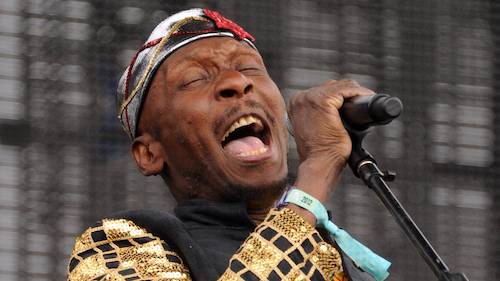
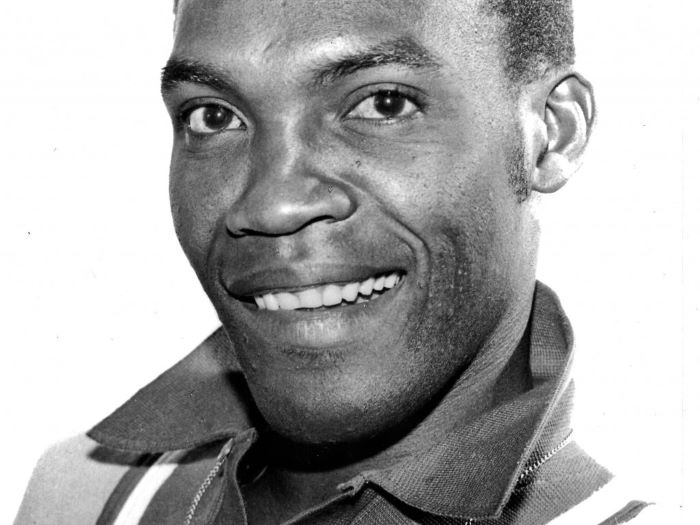
Photo – Desmond Decker (laut.de)