How Sonora Brasil 2026 Redefined Afro-Indigenous Sound in Brazil
The 28th edition of Sonora Brasil, organized by Sesc, has concluded its nationwide tour, leaving a lasting imprint on Brazil’s evolving Afro-rooted music landscape. Running from June to December across 15 states, the 2026 program spotlighted Afro-Indigenous musical traditions as both historical inheritance and contemporary creative force—reshaping conversations about identity, genre, and audience engagement, particularly within Afro-diasporic communities in Brazil.
Framed as an “immersive listening experience,” the tour foregrounded artists navigating the intersection of Indigenous and African heritage, blending traditional rhythms with electronic production, spoken word, and performance art. The opening in Santarém set the tone for a series that resisted folklorization, instead positioning these musical forms as dynamic and future-facing.
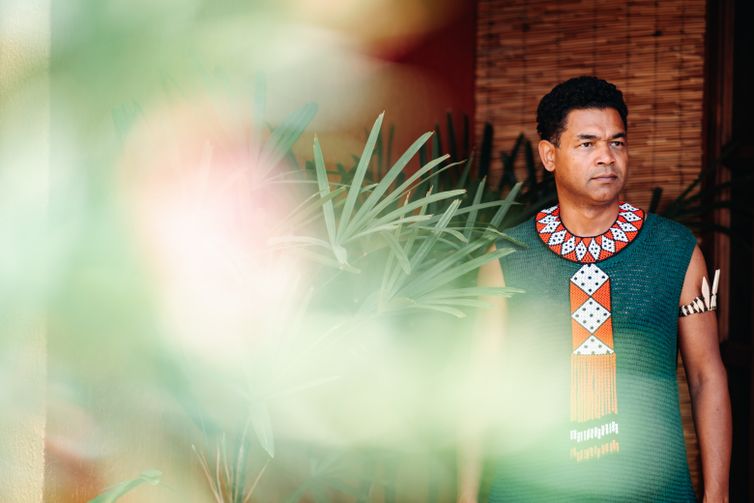
Among the central figures was Gean Ramos Pankararu, whose work embodies the fusion of ancestral memory and modern Brazilian popular music. His trajectory—from rural Pernambuco to urban stages—mirrors a broader shift: the gradual recognition of Indigenous artists within national and international circuits. His performances during the tour were widely cited as pivotal moments, emphasizing music as both cultural preservation and political expression.
The inclusion of groups such as Suraras do Tapajós and Cabokaji expanded the sonic palette. Suraras’ reinterpretation of carimbó—an Afro-Amazonian genre—highlighted gendered perspectives and environmental consciousness, while Cabokaji’s hybrid shows merged ritual elements with electronic beats, resonating strongly with younger urban audiences. Meanwhile, Nderé Oblé introduced transatlantic dialogue by linking Brazilian traditions with West African influences.
Impact on Genre and Communities
The 2026 edition marked a consolidation of what critics increasingly describe as Brazil’s “Afro-Indigenous fusion wave”—a loosely defined movement blending maracatu, carimbó, and candomblé-inspired rhythms with global electronic and experimental sounds. The tour significantly expanded visibility for these styles beyond regional strongholds, particularly in southeastern urban centers where demand for culturally rooted but contemporary music has surged.
In Brazil’s Afro-descendant communities, especially in cities like Salvador and Rio de Janeiro, the festival reinforced cultural pride and intergenerational dialogue. Among younger listeners, the integration of digital aesthetics and activism-driven lyrics has fueled new fan bases, both locally and within Brazil’s diaspora networks.
Industry observers note that streaming metrics for featured artists rose markedly during the tour period, suggesting a tangible shift in consumption patterns. More importantly, Sonora Brasil’s curatorial approach—centering marginalized voices without diluting their complexity—has influenced programming strategies at other festivals and cultural institutions.
As Brazil’s music scene continues to globalize, the 2026 Sonora Brasil cycle stands as a defining moment: not merely a festival, but a catalyst that repositioned Afro-Indigenous music from the margins to the forefront of contemporary cultural production.
Photo – Gean Ramos Pankararu (© Lucas Aldi/Divulgação)